

Strength after 55 · Downtown Toronto
Personal Training for Seniors in Toronto
The same assessment-first coaching we run for everyone — measured baselines, one coach per session, a private floor — applied to the decade where strength matters most.
Why now
Muscle is the retirement account nobody talks about.
The numbers are quiet but relentless: adults typically lose about 3–5% of muscle mass per decade after 30, and the decline accelerates around 60. Balance, bone density, joint stability, the ability to travel, garden, and carry your own groceries — all of it sits on top of muscle. The good news from the research is equally consistent: resistance training works at every age, and older bodies remain far more adaptable than most people assume.
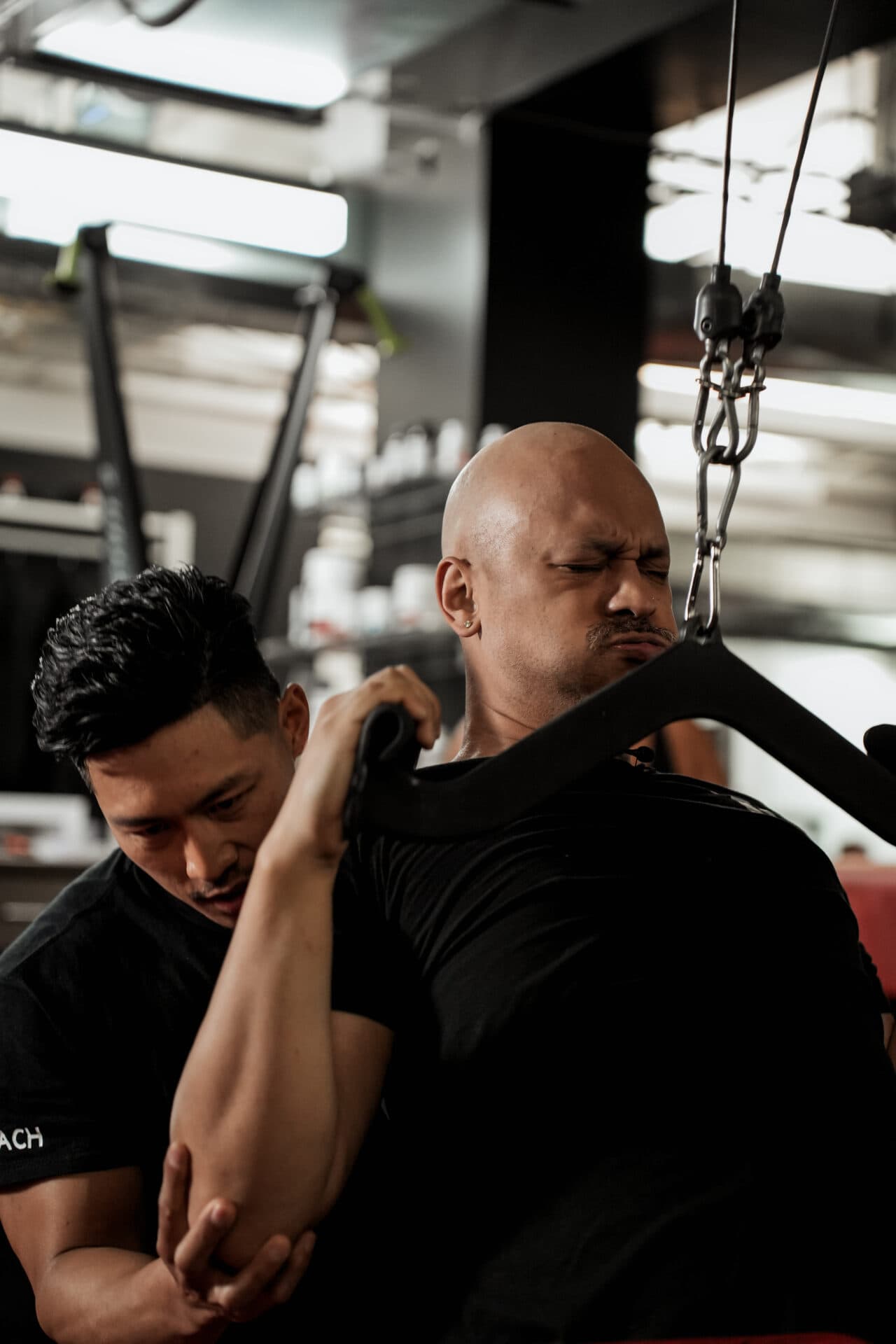
What older clients need is not a gentler brochure — it is a more careful start. That is what the assessment is for: body composition mapped site by site, a movement screen that finds what needs attention before it becomes a limitation, and baselines that make every later rescan meaningful. Your program begins where your body actually is, and a coach runs every session beside you on a private floor.
If you have a physician involved in your health — most of our older clients do — we program within their guidance, not around it. Bring their notes to the consultation.
What a program looks like
Measured, patient, progressive
Baseline first
Biosignature body composition, movement screen, strength baselines — and VO2 max testing if you want the cardiovascular picture. Nothing is programmed before it is measured.
Strength as the spine
Progressive resistance work scaled to your starting point — the evidence-backed countermeasure to age-related muscle loss, coached rep by rep.
Balance and daily function
Carries, get-ups, step patterns — trained deliberately, because the goal is a body that handles life, not just a gym number.
Rescans that prove it
Every few weeks the InBody rescan shows what changed. For clients returning after decades away, the first positive rescan usually settles the doubt for good.
FAQ
The questions older clients actually ask.
Is strength training safe at my age?+
Started correctly, it is one of the best-supported things an older adult can do — and "correctly" is the part we control. Every client begins with an assessment, not a workout: body composition, a movement screen, and honest baselines that tell your coach exactly where your body is today, including anything that needs working around. Your program starts there, loads progress gradually, and a coach runs every session in person on a private floor. Nothing on this page replaces your physician; if you have a cardiac history or a condition under active treatment, bring your doctor into the conversation and we will program within their guidance.
Why does strength matter more after 60?+
Because the losses compound quietly. Adults typically lose about 3–5% of muscle mass per decade after 30, and the decline tends to accelerate around 60 — strength, balance, and the ability to get up from a chair or carry groceries all sit downstream of that muscle. The encouraging part of the research is how responsive older bodies remain: resistance training with adequate protein is the primary evidence-backed countermeasure at every age. We measure where you start, so the progress is visible in numbers rather than guesswork.
Will I be surrounded by twenty-somethings dropping weights?+
No — and for many older clients this is the deciding factor. Arzadon is a private studio, not a commercial gym floor: sessions are one-on-one with your coach, and there is no crowd, no waiting for equipment, and nobody to perform for. The environment matters more than most people expect. Learning to squat well at 68 goes very differently when the room is quiet, the coach is beside you, and the only comparison being made is against your own last rescan.
What does it cost, and is there a lower-commitment way to start?+
Hybrid coaching is $387/month all-in — coached sessions, your program, nutrition targets, and check-ins. Many older clients start smaller: a biosignature body-composition assessment is $167 and requires no membership, giving you measured baselines and an honest conversation about what training would change first. Some bring an adult son or daughter to that first visit; you are welcome to. The free 20-minute consultation, by phone if you prefer, walks through everything before any commitment.
I have not exercised in twenty years. Is it too late?+
The research consistently says no — older adults respond to progressive resistance training at every starting point, including people beginning in their seventies. What changes is the on-ramp: we start lighter, progress more patiently, and lean harder on the movement screen to find what needs attention first. The rescan every few weeks does something valuable for long-lapsed exercisers specifically: it proves in numbers that the body is still adapting, usually within the first two months. That evidence tends to end the "too late" question better than any reassurance could.
Start with a conversation, not a workout.
Free 20 minutes — by phone, or in the studio with a family member along if you like. Honest answers about where to begin.